It's 2026, and I've been learning German for a while now. I started with apps like Duolingo, which are fun,but I eventually realised I was chasing streaks instead of actual progress. I'd rush through monthly challenges just to keep the little flame alive, even if I wasn't absorbing anything.
This year, I wanted to change that. My goal is simple: learn German more intentionally.
I can already understand a fair amount of what I read and hear.
Watching DW and German‑language Netflix shows has boosted my listening skills, and reading online articles has helped me get comfortable with new vocabulary.
But speaking and grammar still feel intimidating. Forming sentences on the spot?
Terrifying.
Still, I'm determined. I practice a little every day: vocabulary, podcasts, videos and I'm breaking my learning into two simple questions:
- What is my goal?
- How am I going to learn?
Setting a Goal You Can Actually Reach
The biggest mistake I made early on was being too ambitious. When a goal feels huge, it becomes impossible to start. Breaking it down makes everything more manageable.
Try something like:
- By the end of this week, I want to have learned…
- By the end of this month, I want to have learned…
- By six months, I want to be able to…
- By the end of the year, I want to…
Think of it like training for a marathon — you don't run 26 miles on day one. You build up slowly, consistently.
My goal
One day, I want to read All Quiet on the Western Front in German. It might take a year, maybe longer, and that's okay. It's not just about understanding the story — it's about genuinely learning the language.
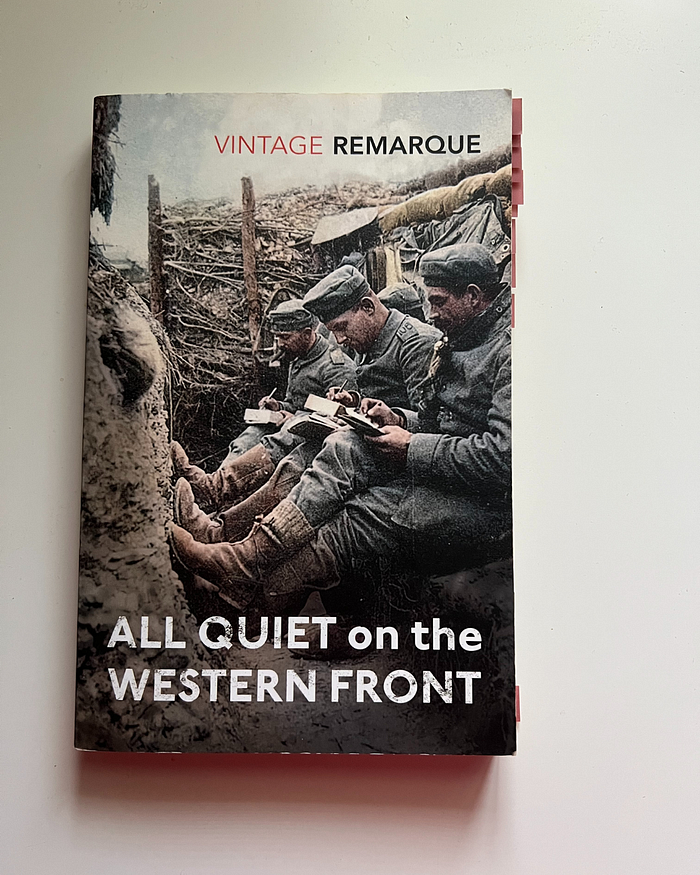
For now, I'm focusing on something smaller: pronouncing the most common German words confidently by the end of this month. It's realistic, measurable, and achievable.
What's your goal?
How I'm Actually Learning
Digital Notes or Traditional Notes?
For years, I skipped taking notes — and I could tell. My memory wasn't sticking. This year, I finally committed to it.
After every lesson, video, or listening exercise, I jot down notes. It helps more than I expected. The more I do it, the more natural it feels.
I use both methods:
Traditional:
I stick with a simple notebook and pen.
Nothing more.
No need for fancy paper or high-end pens.
If it gets the job done, that's all that matters.
Digital:
I use Google Docs and colour‑code articles by gender.
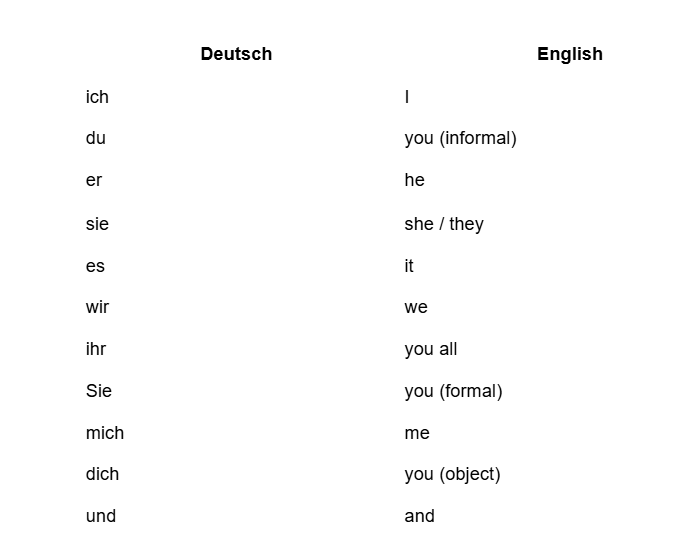
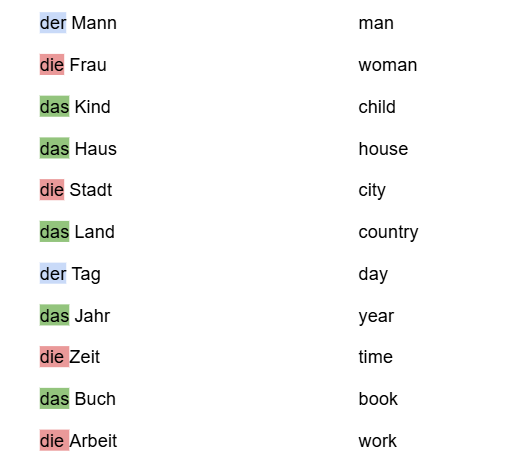
Choose whatever method feels right for you — the best system is the one you'll actually use.
Using AI as a Supplement (Not a Shortcut)
This shouldn't be your only way to learn. It's best as a supplement.
like starting with the 100 most common words or practising grammar. But it shouldn't be your only tool. It's great for writing and grammar, but not ideal for speaking.
Real conversations with real people matter far more.
The Best Materials I've Found
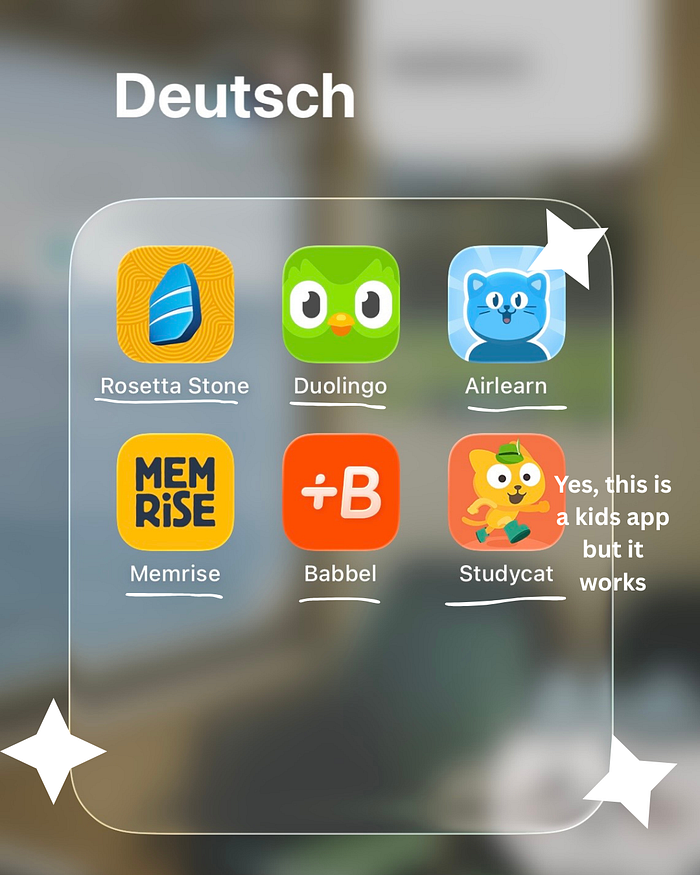
Apps:
There's no ranking here — each app brings something different. Mixing a few can really boost your progress.
- Speaking: Rosetta Stone, AirLearn
- Vocabulary: Memrise, Study Smarter
- Gamified: Duolingo
- Tutoring: Preply, Studycat
Books:
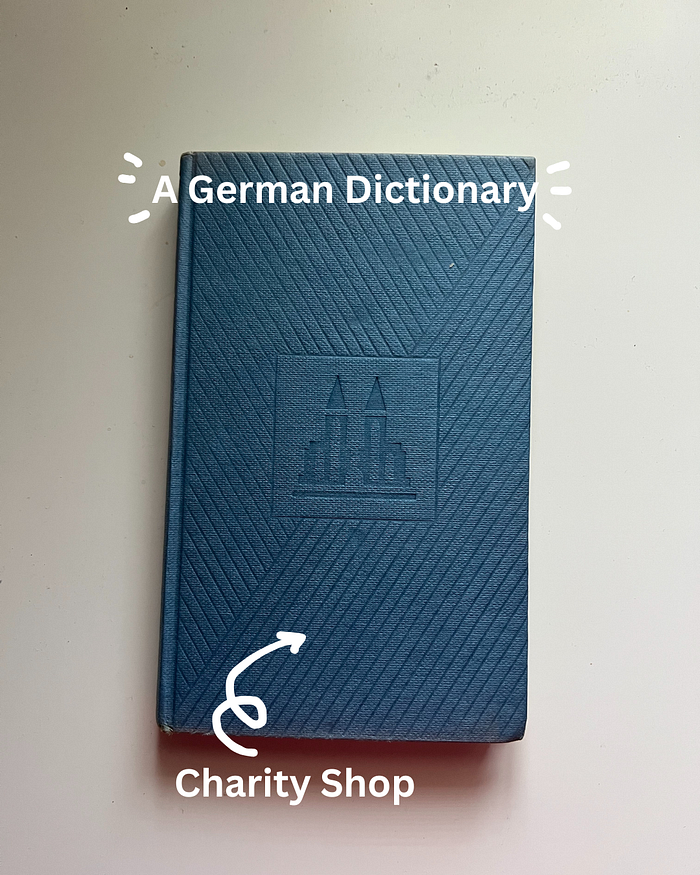
- A dictionary
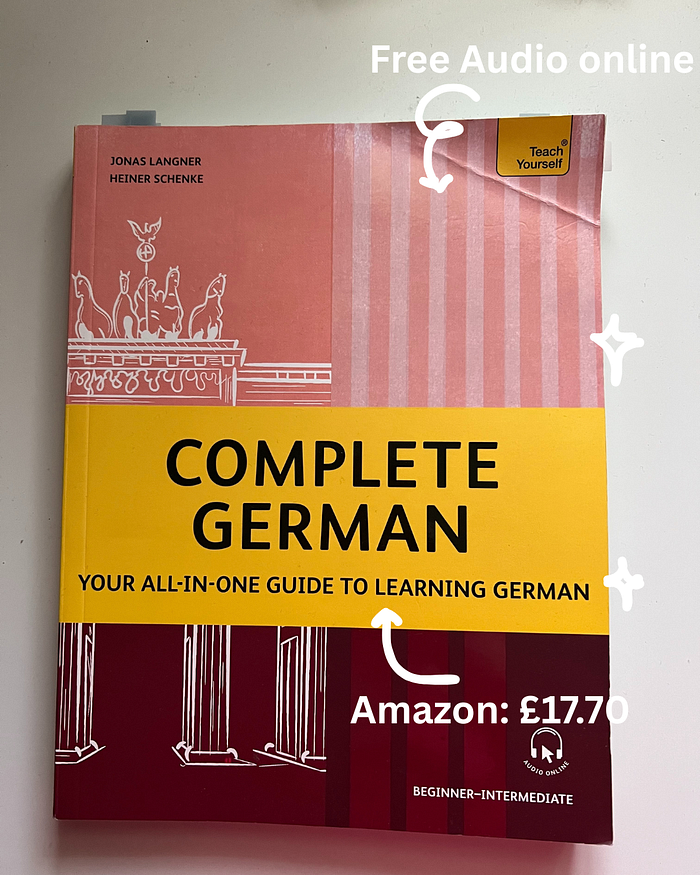
- A textbook
You don't need to buy expensive, brand‑new books. Charity shops, second‑hand bookstores, and libraries are great options.
I bought the Teach Yourself book because I knew it would give me that extra push.
Youtube and Podcasts
YouTube has become one of my favourite ways to learn. I look for videos with English translations or pronunciation guides so I can listen while cooking or cleaning.
If a video doesn't have translations and I'm unsure, I turn on subtitles, jot down new words, and rewatch it. Each time, I catch a little more.
My Method — And Why It Might Work for You Too
Honestly, my approach to learning German this year is really simple. It comes down to a few things that finally feel realistic for me:
- Be honest with yourself about what you can manage. Small goals are still goals.
- Do what actually works for you. Not what everyone else swears by.
- Don't rely on just one thing. The more variety you have: videos, podcasts, notes, reading, listening, the easier it is to stay engaged.
- Stay consistent, not perfect. A little bit every day goes further than any streak ever did.
It's not fancy or strict: just a gentle routine that fits into my life.
If you're also learning a language, this approach could make the process seem much more manageable.
Final Thoughts
Language learning isn't about perfection. It's about showing up even when you're tired, even when you feel stuck, even when you're convinced you sound ridiculous.
Every small step counts. You got this!!
Good luck with your language‑learning journey.
Take care, and I hope you have a great day. Erin
If you enjoyed this, please follow me here on Medium or subscribe to my Substack to stay updated on my reading journey and future content!