When you learn your target language, over time there will be words and phrases that you may not be able to recall when you need them, but if you were to read them somewhere, you would remember what they mean. Learning another language is a long process because we need to get tens of thousands of words, phrases, and "sayings" into our brain so we can have a fluid conversation with natives. This is why reading is so important so you can familiarize yourself with these words on a regular basis so the words, phrases, and "sayings" can be planted in your long-term memory. They'll be at the front of your mind so you can get access to them as you need them.
Learning a language is not like studying for a test, but more like swimming in an ocean. I've made this reference before in a previous post, but some people's language knowledge may be like a puddle and others (native-level with higher education) will be more like swimming in the deep end where your feet don't even touch the bottom of the ocean and you can swim to the ocean floor without drowning.
I was at work one day and I was looking at old flash cards I've made. These are words I haven't read or seen in a while, but I remember what they were when I saw them. I saw them in Spanish and remembered the English translation, but if it were the other way around, I probably wouldn't be able to translate them into Spanish.
If you're not an avid reader in English, you may struggle with your target language because reading is the cheat code. The irony is we learned how to speak before reading, but keep in mind that our vocabulary catapulted once we've started reading. It doesn't matter if you read a lot of ficton or autobiographies of brillant minds, the more you read, the more your vocabulary increases. You expose yourself to the language so much that you can recognize it in other places and even when people speak (assuming that you know the proper letter sounds in your target language)
When you read a book, you may see certain words a handful of times, other words may be dozens of time. Then you'll have words that you read that may be hundreds or even thousands of times. The most recognizable word in any language is the word "the". This includes the equivalent in your target language. This word is seen over and over again so many times that the word is cemented in your brain.
To become fluent in your target language, your brain has to recognize the language as soon as it touches your ears or eyes. You don't want there to be a "mental middle man" slowing you down. Memorizing may require you to think. Thinking slows you down drastically in conversations. You want to get to a point where as soon as you hear what the person says, you have a response in the speed of your target language. In a language like Spanish, that's very fast. If you're not there yet, don't worry, you will get there over time. Think of child development. A 3-year old has a slower mental processor than a 7-year old. The same can be said about your target language. This is due to exposure and use of the language in different scenarios. This is why you will be more fluent in your target language after 7 years vs. three. Treat your target language as a new part of your life and you will not put a time table on it and quit because you're not getting your desire results in an unrealistic short period of time.
Let's say you see a word in Spanish that has 4 meanings, but all of the words are similar. For example, clench, grip, grab, clutch, etc. Instead of memorizing all of those words as the meaning, you can define the word to mean "to hold tightly". After a while, you'll have a picture in your head.
Speaking of pictures in your head, this is why I like reading story books to improve my vocabulary. When you read stories, you get a picture in your head. So when you read certain words, you'll have an image instead of memorizing the definition of the word. There will be words that you can't translate into English, but you recognize them as an image in your head. For example, when I read Harry Potter, they use the word "comtemplar" a lot. You may think of it as contemplate (or thinking about something deeply), but in the context used in the story, it's used to mean to stare or gaze.
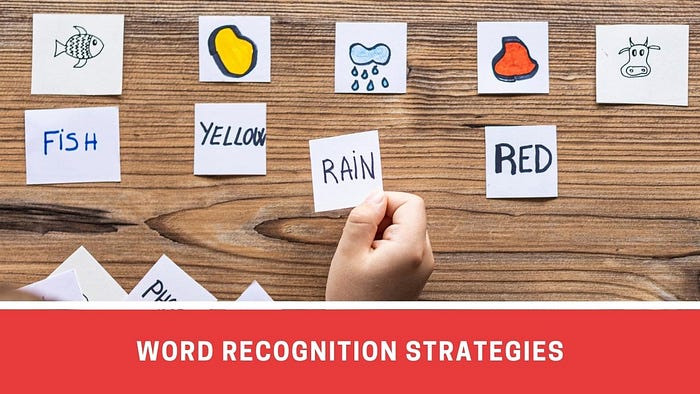
I want to end this post on flash cards. Don't use flash cards to "cram" the language into your brain. Use flash cards to "remind" yourself of or "flash" the language so you can recognize it when you see it. There will come a day that every flash card you have you will have those words cemented in your brain because you've interacted with them in other organic situations like reading a book, speaking to people, and even titles and heading on social media and video posts.