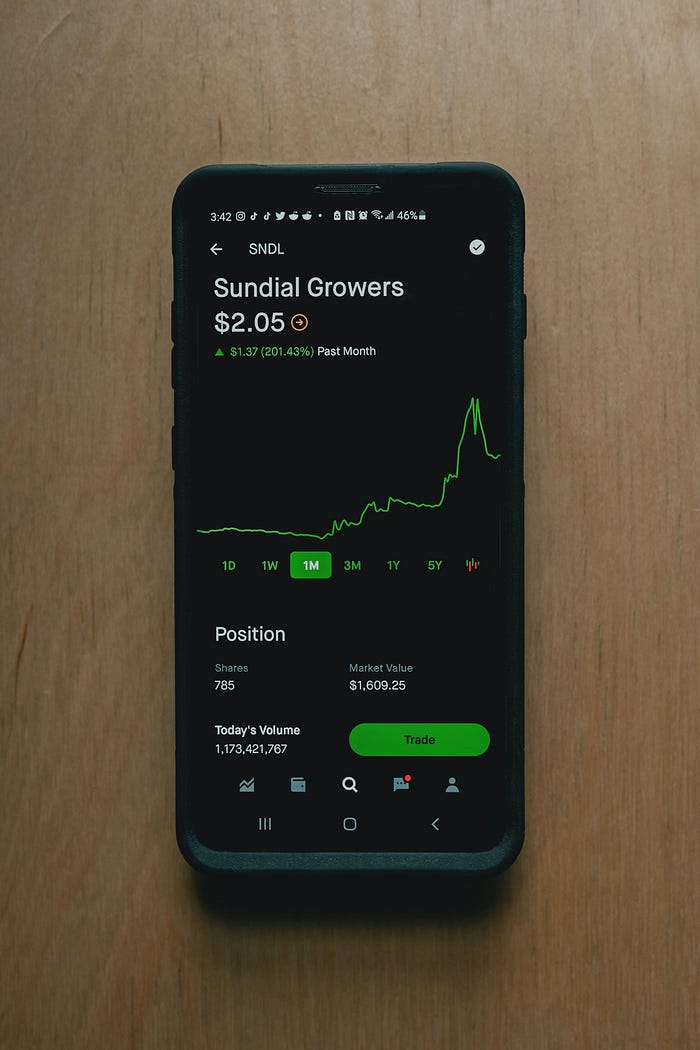
Listen, when I first started day trading, I was cocky as hell. I watched a bunch of YouTube gurus, read a couple books, and thought I'd be driving a Lambo in 6 months. Reality check? The market chewed me up and spit me out faster than I could say "to the moon."
The truth is this game is brutal. But here's what nobody tells you: if you actually put in the work—and I mean really commit to learning this stuff—you can make it. Not overnight, but it's possible. So let me save you some pain and share what I wish someone had told me before I blew up my first account.
The Market in 2025: It's a Whole New Beast
The Bots Are Everywhere
Trading isn't what it used to be. Those romanticized scenes of traders shouting on the floor? Dead and buried. Now it's all algorithms and high-frequency trading. These bots will snatch profits right from under you if you don't have a solid strategy. I learned this the hard way trying to wing it during my first month.
Social Media Moves Markets Now
The craziest thing about trading in 2025? Some kid with 500k followers on TikTok can move a stock more than a CEO's announcement. I've seen stocks jump 20% because of a Reddit thread with rocket emojis. The trick is figuring out when it's actual momentum versus just noise. Trust me, I've chased too many pumps that dumped the second I bought in.
Gear Up: What You Actually Need
Don't waste money on fancy setups right away. Start with the essentials:
For stocks and options, I've had good experiences with Thinkorswim and Interactive Brokers. If crypto's your thing, Binance and Bybit are solid. Just starting out? Robinhood's interface won't overwhelm you.
For charts and data, TradingView and Bookmap have been game-changers for me. Yeah, eventually you'll want multiple monitors and super-fast internet, but don't blow your trading budget on equipment right off the bat.
Real Talk: 10 Things I Wish I'd Known Day One
1. You're Gonna Lose Money at First
Not "you might lose"—you WILL lose. Accept it. I dropped $2,000 before I even knew what I was doing. Start with money you can afford to burn. I tell my friends to treat their first $600 like it's tuition.
2. Time Your Trades
I wasted months trying to trade all day. Big mistake. The first two hours after market opens (9:30–11:30 AM EST) is where the action is. I've made more money trading smartly in those two hours than forcing trades all afternoon when nothing's moving.
3. One Strategy Is Better Than Ten
Every time I see a new trading "system" on YouTube, I used to jump on it. Result? I mastered nothing. Pick ONE approach—momentum, breakouts, whatever—and get really good at it before trying anything else. I finally started seeing consistent results when I focused solely on breakouts for three straight months.
4. Set Those Stop-Losses, For Real
No matter how "sure" you are about a trade, set a damn stop loss. I once held a losing position overnight, convinced it would recover. Woke up to a 17% gap down. Now I risk 1% per trade, no exceptions. That discipline saved my account more times than I can count.
5. More Trades ≠ More Money
Some of my worst days were when I made 15+ trades. Now? I aim for 2-3 quality setups. Last Tuesday I made more from one perfect setup than I did the entire previous week of overtrading.
6. Keep Your Charts Simple
You don't need to turn your screen into a Christmas tree of indicators. I use three indicators that I personally created. That's it. When I stripped away all the unnecessary indicators, I could actually see what the price was doing.
7. Journal Everything
This was a game-changer for me. I track every trade in a simple spreadsheet—entry, exit, why I took it, what I was thinking. Looking back at three months of entries, I realized I was consistently losing on afternoon trades. Cut those out, and my win rate jumped.
8. Stay Informed, But Don't Overdo It
I used to have two news sites open: Twitter, and CNBC blasting all day. Information overload. Now I check key developments before the market opens, keep an eye on major announcements for stocks I'm watching, and tune out the rest. My stress levels and my trading improved.
9. Paper Trade Before Real Money
I was too impatient for this at first. Big mistake. Spend at least a month making pretend trades. I paper traded for six weeks before going live again after my first account blow-up. Best decision ever.
10. Your Emotions Will Wreck You
No joke; trading psychology is real. I've thrown my mouse across the room after a loss. I've stayed up all night watching futures. None of that helped my trading. What works? Having a plan and sticking to it, win or lose. Some of my best trading days were when I felt nothing at all about the market.
The Stupid Mistakes That Killed My First Account
Chasing the Rocket
That stock that's already up 40%? It's too late. I've bought at the top so many times, thinking "this one's going higher," only to become the exit liquidity for early buyers. Now I wait for pullbacks or find stocks that haven't moved yet.
Ignoring Those "Small" Fees
Trading isn't free, even with commission-free brokers. The spreads, the fees on options, the margin costs—it all adds up. I spent my first month making trades that looked profitable but actually lost money after all costs.
No Plan, No Game
"This looks good; I'll buy it" isn't a strategy. Every single trade needs an entry reason, profit target, and stop-loss. Period. I write mine down before every trade now. If I can't articulate why I'm entering, I don't trade.
Leverage Is a Killer
I blew up my first account using 10x leverage. I thought I was a genius until one bad move wiped me out. Now I use minimal leverage, if any. The slower growth is worth not having a heart attack every time the market twitches.
How to Actually Start (and Not Crash and Burn)
- Pick a broker that doesn't suck (see my recommendations above)
- Fund it with money you can afford to lose
- Choose ONE strategy to learn inside and out
- Paper trade until you're profitable consistently
- Start live with tiny positions — I'm talking 1/10th of what you think you should trade
Free Stuff That's Actually Worth Your Time
Some of the YouTube channels are just hype. Twitter/X is a goldmine if you follow the right people. And seriously, read "The Disciplined Trader" by Mark Douglas. That book changed how I approach the market entirely.
The Honest Truth
Day trading isn't for everyone. It's not passive income. It's not easy money. Some days I stare at charts for hours and make three good trades. Other days I identify a setup in 15 minutes and take the rest of the day off.
The market doesn't give a damn about your dreams or your bills. It will take your money if you're unprepared. But put in the work, stay patient, and you might just make it.
So, what about you? What's been kicking your ass in the markets lately? Drop a comment.