Here's something I've learned after 15+ years of chasing languages like they're rare butterflies: flashy methods fade, but good habits stick.
I've studied many languages (some seriously, some just for fun), and I've tested every resource. Language schools. Flashcards. Shadowing. Spaced repetition. Watching Netflix "passively" and realizing I'd absorbed exactly zero words because I was too busy reading subtitles and eating my yummy snacks.
And here's what I've found: the best language-learning systems aren't systems at all. They're small, simple, almost boring habits that compound over time.
That's what this article is about.
If you're looking for a big, sexy breakthrough method that'll get you fluent in three months with zero effort…
I can't help you.
But if you want practical, effective strategies that actually work, based on my experience as a polyglot and language coach, keep reading.
Let's look at the habits and mindset shifts that have helped me go from zero to conversational and sometimes far beyond.
Set the Bar High (and Actually Mean It)
One thing I've noticed: the clearer and more ambitious your language-learning goal, the better your chances of getting there.
When I started learning German, my goal wasn't just "to get by." I wanted to understand German humor.
To sound natural, not textbook.
And I found that kind of goal shapes how you learn and how deeply you commit.
Most people aim too small. "Just want to survive in Italy" sounds fine until you're stuck in a conversation and realize your brain can only say, "I am pasta."
Set your sights on fluency, or better yet, on identity. Want to feel like someone who speaks Spanish natively, not someone learning it? Good. That's the mindset that changes things.
Input First — Always
When I start a new language, I spend way more time listening than speaking.
Why?
Because babies don't start by giving speeches, they listen first.
A lot.
For weeks, sometimes months, I bathe in the language. I'll play audio while cooking, cleaning, and even falling asleep. I don't care if I understand 2% of it. That's not the point.
The point is that your brain needs exposure before it can produce anything meaningful. Patterns settle in. Sounds become familiar. You stop panicking when you hear a long sentence.
Pro Tip: Pick one podcast, audiobook, or show. Listen to it repeatedly. You're not "wasting time" if you don't understand everything. You're training your brain to recognize rhythm, sound, and flow.
And I don't just listen passively. In between, I work on the language with the other methods I'm sharing here.
Repeat Like a Toddler on a Sugar High
Toddlers are relentless. They'll ask to hear the same story 47 times until the entire family knows it by heart. That's exactly the energy you need.
Repetition builds confidence.
It builds fluency.
When I was learning Italian, I rewatched the same sitcom episodes on loop until I could feel when a line was coming, even if I didn't (quite) understand it yet.
Pick your favorite clip, dialogue, or audio. Break it down. Repeat it until it bores you slightly. Then do it again.
You'll be grateful when the phrases start popping out of your mouth like it's second nature.
Make Vocabulary Personal (and Obsess Over Context)
I don't memorize isolated words anymore. I hunt them.
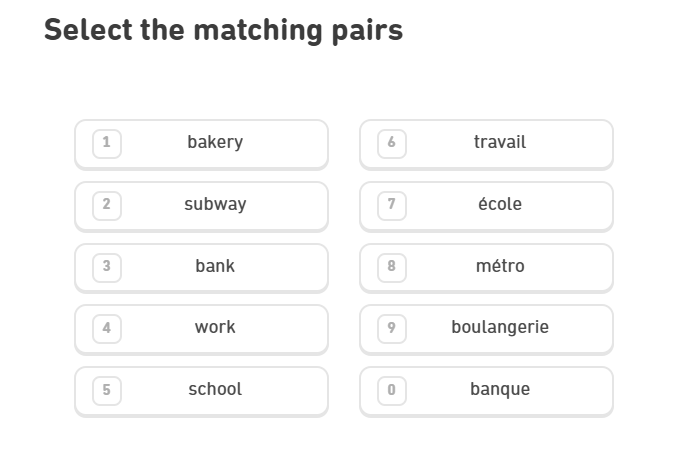
Here's my system: I keep a list of high-frequency words for whatever language I'm learning.
Then, I find those words "in the wild:" books, shows, podcasts. I write down the entire sentence. That sentence goes into my review notebook or Anki deck. And every night, I read them out loud.
Why?
Because words don't live alone.
Context is everything.
"Run" in English could mean to sprint, to manage a business, or leaking paint.
Learn phrases, not words. Learn how those phrases sound. And say them — aloud. Over and over again. With feeling.
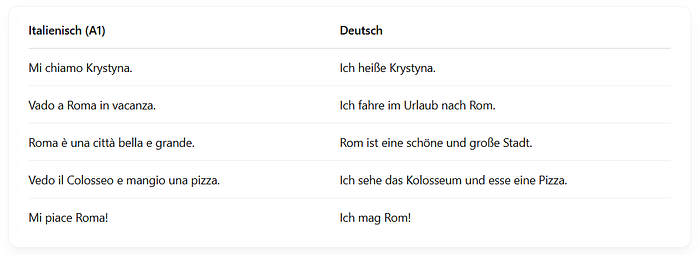
Also: make up your own phonetic cheat codes. I have dozens of silly little notes in my notebooks, like "sounds like 'donkey' but angrier." Whatever works for you.
Grammar? Yes. But Not First.
Let me say this louder for the learners in the back: grammar is helpful, but it should not be your starting point.
When I first tackled Turkish, I avoided grammar for weeks. Instead, I read simple dialogues, guessed the rules, checked a few verb tables when I got curious, and slowly let patterns emerge.
Later, I'd look up a grammar rule and go, "Ohhh, so that's why they say it like that!" Instead of being confused by abstract rules, I was reinforcing patterns I already half-understood.
Start with real content. Use grammar books as backup dancers, not the main act.
Turn Passive Input Into Active Use
Here's the trap most learners fall into: they consume language endlessly but never produce it.
I've made that mistake, too. So I started forcing myself to write stories and short journal entries in my target language. At first, it was slow and painful. Then, it became addictive.
I'd write something in English, translate it, compare it to a machine translation, and fix the weird bits. Then I'd read my own writing out loud, like a little speech rehearsal.
Yes, you can use Google Translate, ChaptGPT, or DeepL here, but those are tools. They shouldn't be a crutch. The point is to compare, tweak, and get better. And then try again the next day and use what you've learned to do better.
Create your own content. Make it meaningful. Make it yours.
Read Like a Daredevil
At some point, you'll want to read native-level material. I recommend jumping in earlier than you think.
Pick a novel, magazine, or website in your target language. Don't try to read it cover to cover.
Open it at random. Skim.
Hunt for sentences or phrases you vaguely understand.
Annotate. Reread.

You don't need to understand everything. You just need to interact with the real thing. Messy, confusing, and exhilarating, and that's how growth feels.
Bonus: Reading gives you exposure to grammar, vocab, tone, and culture. It's like language cross-training.
Use All the Senses (a.k.a. Why Subtitles Are a Superpower)
Here's a little hack I use all the time: the more senses you involve, the faster you learn.
Try this:
- Watch a short video clip without subtitles.
- Then, rewatch it with native-language subs.
- Then, with English subs.
- Then back to native.
- Then off again.
This switcharoo method forces your brain to guess, compare, confirm, and absorb. It's like linguistic weightlifting.
And short videos or TV series scenes are the best for this method.
I watched The Walking Dead a few months ago. Now I'm rewatching it in Turkish — since I remember the storyline, it really helps me understand the language in context.

You can do the same with audiobooks + ebooks or scripts + soundtracks. The more angles you hit, the deeper it sticks.
Memorize Meaningful Texts (Yes, Like a Drama Kid)
One of the biggest breakthroughs I ever had in German came from memorizing a two-page speech. I rehearsed it so many times I could deliver it with emotion and fake confidence.
And then something wild happened. My spontaneous speaking started sounding more natural because I'd internalized the rhythm, syntax, and flow of the language.
Pro tip: Write a short story. Get it corrected. Read it aloud. Memorize it. Perform it in your head like a TED Talk.
You'll sound more fluent than you feel, and soon, they'll match.
Talk to Yourself, Trust Me
You know what's better than a thousand grammar drills? Arguing with yourself in French while making breakfast.
Talking to yourself builds fluency without pressure. No one's correcting you. No one's judging your accent.

You're free to experiment.
Practice greetings. Narrate your morning routine. Pretend you're explaining your job or hobby to a new friend. It feels silly, but it works.
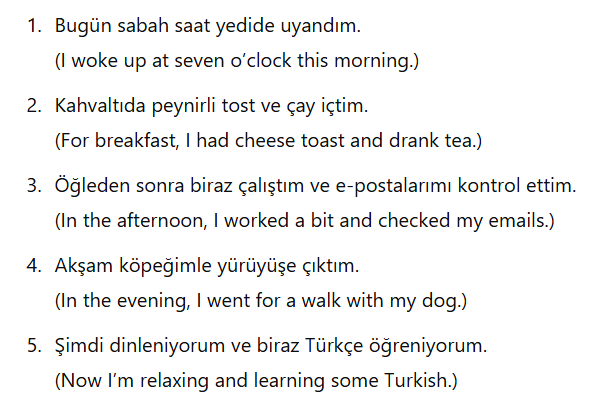
If you can't speak to yourself in your target language, you're probably not ready to speak to anyone else yet.
So start there.
The Real Secret? Keep Showing Up.
Language learning is a weird mix of slow burn and sudden leaps. You'll feel stuck for weeks, then blurt out a sentence perfectly and wonder where it came from.
Most people give up too soon. They stop because they "don't see progress."
But progress doesn't wave at you.
Yes, at first when you're starting out, you'll notice your progress because it's obvious. You couldn't pronounce XYZ and now you can speak a whole sentence with perfect pronunciation. But the more you learn, the less obvious your progress is. It sneaks in while you're too busy focusing on the next thing.
But just because it feels like you aren't making progress or you aren't seeing it doesn't mean it isn't there.
The real secret is consistency.
Doing the boring stuff.
Listening. Reading. Repeating. Writing. Speaking.

Day after day.
Even when it feels pointless. Especially when it feels pointless.
My Final Thoughts: My Polyglot Stamp of Approval
After years of learning and coaching, these are the habits I come back to. They're not new. They're not revolutionary.
But they work across languages, levels, and lifestyles.
You don't need fancy apps or native tutors or a perfect study plan. You just need a clear goal, a few daily habits, and the willingness to sound ridiculous until you don't anymore.
So go ahead: pick a language, set the bar high, and start small.
The rest?
It'll come.