
Gamers get a bad rap from society, but I don't think they should. Apart from playing a few games occasionally, I'm not a gamer. However, I believe gamers aren't lazy layabouts. Why do I say this? Gamers possess many skills that can positively impact organisations and teams in a very positive way.
Learning To Play Fairly
I remember playing board games with family and friends as a child and the fun times and fond memories. However, I realised how important the games were, especially when playing a competitive game of Monopoly, Ludo or Snakes & Ladders.
I still remember which group members cheated (I'm not naming anyone here as they may be reading this article); I also remember the different skills I had to rely on to protect my game plan. Now, think back to the last time you played a game and think about the skills you used. I'm sure you'll be able to think of a few.
The Kid Who Made A Million Dollars Playing Fortnite
Kyle "Bugha" Giersdorf is a teenage Fortnite player who gained global recognition after winning the Fortnite World Cup 2019. Bugha, at the age of 16, took home $3 million after winning the solo finals of the tournament. The tournament, hosted by Epic Games, brought together the best Fortnite players worldwide.
Bugha's calm demeanour, strategy, and gaming skills helped him dominate the competition, setting him apart from the rest of the field. His story became a media sensation, inspiring many young gamers and showing that esports could be a viable career path.
I remember the critics going into overdrive, saying that it was obscene that a kid was allowed to play video games at this level. However, Kyle cemented his place as one of the most prominent figures in esports and competitive gaming.
Bugha's success highlighted the impact of Fortnite and the rise of competitive gaming, where young players can potentially make a career from their skills in virtual worlds.
The Professional Poker Player
I remember speaking to a poker player while writing his CV/resume. As a professional CV writer, my job is to get the client's story out and then onto a document, which is then sent to potential employers. Let's call him Adam. He told me about his hobby. He was playing poker.
Adam was very good at the game and went against the advice of his family and friends; he decided to drop out of school and play professional poker to supplement his income. He told me that he could play eight tables simultaneously. I don't know about you, but I'm no poker player. However, poker players need a lot of precision thinking, aptitude, and skills.
Adam interviewed a Top Tier 1 Investment Bank and was most impressed with his skill set. The bankers wanted to speak with him because the Poker playing attracted their attention. This is why I believe gamers have a great future in the corporate world.

The Skills Gamers Bring to the Table
So, what specific skills do gamers possess that make them such attractive hires for leading future teams?

Cooperation: Navigating the complex dynamics of online gaming communities fosters a strong sense of teamwork and collective problem-solving.
Taking Calculated Risks — Gamers learn to assess risk and make bold, decisive moves — qualities essential in business leadership.
Leadership: The best gamers often emerge as natural leaders, commanding the respect of their peers through a combination of skill, strategy and charisma.
Resilience: Gamers are no strangers to failure and setbacks; they've fine-tuned the ability to bounce back more vital than ever.
Creativity and Innovation: Solving novel challenges in virtual worlds cultivates out-of-the-box thinking, a plus in today's rapidly evolving business landscape.
Multitasking: The capacity to juggle multiple information streams and make split-second decisions is a hallmark of skilled gamers.
Critical Thinking — Gamers are adept at spotting patterns, anticipating opponents' moves and formulating winning strategies — all crucial executive-level skills.
Negotiation: Navigating the give-and-take of team dynamics in competitive gaming environments develops sophisticated negotiation abilities.
Soft Skills
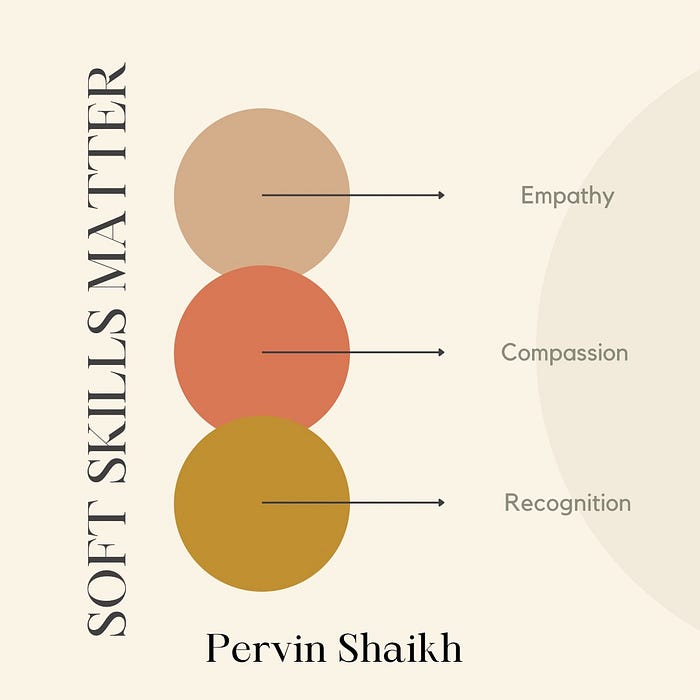
As well as the 'hard' skills, I believe gamers can bring soft skills to the table, which makes them all-rounder. Gaming develops skills like communication, empathy, patience and emotional intelligence, especially when playing against or with each other. All of these are crucial for outstanding leadership.
Additionally, gamers have excellent Cross-Cultural Communication skills. Since gaming communities are often global, players learn to communicate across cultural boundaries. This helps them understand, actively listen, and adapt to diverse communication styles necessary for leading multicultural teams.
I have a learning buddy who is also an executive coach and a gamer in his spare time. He's built up his successful YouTube channel and a thriving community. He told me how the social dynamics of online gaming communities teach gamers to navigate interpersonal dynamics.
He said that, with many cooperative games, success often depends on supporting teammates and recognising when someone needs help. This encourages empathy, helping players become more attuned to the emotional and social cues of others — a fundamental aspect of emotional intelligence.
Parting Comments
The corporate world would be wise to look beyond the stereotypes and recognise the immense value that gamers can bring to the table as future leaders. Plus, they can inject a healthy dose of creative thinking into the equation when the team is up against it. Their unique blend of strategic thinking, adaptability and interpersonal skills make them an invaluable asset in an ever-changing business landscape.
Thank you for your attention.
Follow me for more valuable tips.
Pervin
linktr.ee/AimHighLtd