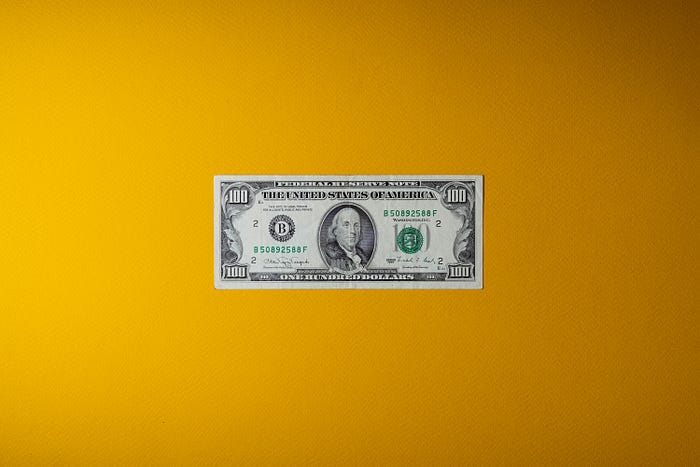
"Cash is trash." That's what we heard throughout 2021 as inflation surged and interest rates sat at historic lows. Every financial expert, investment newsletter, and YouTube guru I watched warned that holding cash was watching your money evaporate in real time.
I listened. I went all-in on a mix of stocks, real estate, and even some crypto — anything but cash. Fast forward to 2025, and cash is no longer trash. It's become the lifeboat keeping many portfolios afloat.
The Rise of the Cash Strategy
What's driving this shift? First, high-yield cash alternatives have become genuinely attractive. With money market funds yielding higher percentages and Treasury bills offering similar returns with government backing, cash is no longer a dead asset.
But more importantly, financial advisors are recognizing something that took me years to learn: liquidity creates optionality. And in markets characterized by high volatility and sector rotation, optionality has enormous value.
I discovered that many highly successful investors have been quietly shifting their profits into high-yield cash positions — not as a long-term play, but as readily available capital to act quickly when the right opportunities come along.
My Journey From 'All-In' to 'Hold and Wait'
I used to pride myself on being fully invested at all times. "Time in the market beats timing the market," I'd repeat like a mantra. And while that principle remains sound over decades-long horizons, I've realized it oversimplifies the tactical reality of building wealth.
My approach now includes a deliberate 40% cash position across my investment accounts — mostly in T-bills and a high-yield money market fund. This wasn't an overnight decision, but a gradual reallocation as various investments reached targets or as I recognized my over-concentration in certain sectors.
This shift stemmed from a painful pattern I couldn't ignore: I had repeatedly missed golden buying opportunities simply because I had no available capital when they appeared. The COVID market crash in 2020, the tech selloff in 2022, — each presented incredible entry points for quality assets at discount prices. Yet each time, I could only watch from the sidelines, fully invested with no dry powder to deploy.
The opportunity cost of these missed moments far exceeded whatever I gained by being fully invested through the turbulence.
Cash as a Weapon, Not a Refuge
The key mental shift was recognizing that my cash position isn't a fearful retreat from markets — it's an offensive weapon waiting to be deployed.
I'm not holding cash because I'm predicting a crash (though I wouldn't mind being prepared if one comes). I'm holding cash because:
- It creates the psychological freedom to act decisively when opportunities arise
- It allows me to average into positions during volatility without selling other assets
- It eliminates the pressure to make forced sales for lifestyle needs or emergencies
- It provides the leverage of patience — the ability to wait for the right price
I've identified specific trigger points for various assets and sectors where I'll begin deploying this cash. Some are based on valuation metrics like P/E ratios falling below historical averages. Others are based on technical indicators or specific catalysts I'm watching for.
The beauty is that I'm no longer making these decisions under pressure. I can be patient, methodical, and selective.
How You Can Start
If you're intrigued by this approach, here's what I wish someone had told me earlier about building a strategic cash position:
First, understand that "cash" doesn't mean currency stuffed under your mattress. Today's high-yield cash alternatives provide meaningful returns while maintaining liquidity. Treasury bills, particularly 3-month and 6-month durations, offer government-backed safety with high yields. Money market funds from major brokerages offer similar yields with daily liquidity.
Second, build your cash position gradually. I didn't sell everything overnight — I simply started directing new contributions toward cash positions and allowed some investments to convert to cash as they matured or hit target prices.
Third, establish clear deployment rules before you need them. Decide in advance what conditions would make you comfortable putting this cash to work. Without predetermined guidelines, emotion will likely drive your decisions when markets get volatile.
Finally, recognize that cash serves multiple purposes: it's not just for investment opportunities, but also provides resilience for your broader financial life. Having substantial liquidity means you're less likely to raid long-term investments for short-term needs.
Patience Is Power
The investment world glorifies action. Financial media celebrates trades, moves, and strategies that involve constant activity. Rarely do we hear praise for the investor who simply waits, cash in hand, for the right moment.
Yet patient capital is often the most powerful force in building wealth. The investor who can say "not yet" while others rush in often finds better entry points and clearer thinking.
I've come to see my cash allocation not as a sacrifice of potential returns, but as purchasing something valuable: optionality, peace of mind, and the power to act decisively when others cannot.
Cash isn't lazy. It's patient. And right now, patience is power.
Not everything valuable is easy to find. That's the idea behind the 404 Club, a quiet space for investors, tech enthusiasts, and thinkers who look past headlines. Where history meets modern finance, and timeless principles still matter. If that sounds like your lane, you'll feel right at home. Join the 404 club today.
This is where today's technology doesn't just meet the moment. It drives the innovations of tomorrow and lays the foundation for everything beyond. We break it down so that you are 95% more knowledgeable than the rest. You will get lessons from history's richest minds. The way the rich think and grow wealth. Tech that is driving tomorrow, artificial intelligence breakthroughs, and a lot more. Join now.
I Also Wrote: