
I'm over in Sydney for a good friends wedding.
Not a Medium member? Keep reading by clicking here.

When I was at the airport coming here, I got a call from another friend:
"Hey Chris, I used Claude Code and oh my God, I can't believe it. I've had this idea for months and it literally built it in an afternoon. So is that it then, should I quit my job and just start making products with this."
Now this guy is successful and works at a large company, so he doesn't want to quit to build a habit app, he wants to build quite niche software that he would most likely sell back to that same company.
To be honest even when he described what he was trying to build to me, it sounded hard and confusing which in these days is probably a really good thing.
But this has been the first adult who has asked me this question seriously and I thought it would make a great blog post to discuss. I asked him to send me some questions and he also was happy for this to be an article to help other people in his position.
Some notes on my advice
- New Zealand doesn't really have a proper VC ecosystem and so most of my advice is about quitting and starting a company that doesn't have any debt.
How do I know if this is a real opportunity versus dopamine?
I think this is a great question to ask. My first point is that quitting your job is a massive one-door decision. It is something that you should think about and if you aren't in a rush to do it then you should think about carefully. My friend has a mortgage and kids so this makes this even more important.
I would say that this is a real opportunity and this has truly changed what building software is like. But building a business is far more than just building a prototype.
My first test would be: have you built a product end to end and does it provide value. Have you solved things internally at your job first? Basically get as many reps in as you can, while you are earning a salary.
How long until I get money?
Let's say the goal is to earn $20,000 a month to pay for the mortgage + kids. The hard thing about that is this represents a $240,000 investment annually to a business which puts you into procurement and business cases. Instantly this slows everything down and now you are looking at months before something gets signed off.
Also in my experience businesses are quite averse to retainers, they would rather do statements of work first and get runs on the board. It makes sense, for them it is a big investment.
As a result, it is more realistic to target a $25,000 job with a phase 1 than getting a retainer from day 1. The fastest $25,000 job I've signed is 1 month from first meeting to contract. The slowest is 6 months. Any longer than that and things usually fizzle out.
Even doing these basic calculations you can see that it is going to be an extremely bumpy first year and more likely a bumpy first 2 years.
If everyone at my company can now build internal tools, does that kill my advantage?
Well no I don't think so. There are a lot of downsides to quitting your job but there are a number of upsides. One of the greatest upsides and I think it is a super power particularly when you are starting is that you are a cornered rat.
You will do anything to be successful because you don't have a choice. That means that you will easily outwork anyone in a business. Also, internal roles typically have other things that are more important as it is rare for most companies to have A+ internal software development teams.
The bar might be a little bit higher but honestly large companies make it so difficult to innovate that I wouldn't worry about that.
If I build it on nights and weekends, is that realistic at 40 with kids?
I've got a daughter and I think that it is pretty unrealistic to do this if you want to make a go at having a real product or a real business one day. At best you could get a prototype going but it's just too distracting otherwise. Real products require full time focus and the hard thing about nights and weekends is that you are tired.
I know a couple of friends trying to do this and they have never really made much traction.
I am more a believer of if you are going to do this go all in and burn your boats. That is how you make a real change.
What's the hardest thing about quitting?
The hardest thing is the sales cycle and building up your reputation and managing stress. Building the sales pipeline is exhausting. Sure AI is amazing and can do a number of things but you still have to convince humans about this and humans take time and have managers and meetings. Humans also will tell you to your face that they are keen to do something and then not reply to your email. That is upsetting.
Another hard thing is not giving up or losing motivation. The first 3 months are easy from a motivation point of view as it is new, but at month 14, if you haven't been as successful as you like it gets pretty hard. At month 34 it's even harder, and it's like a slow pressure cooker.
I found it got easier after 48 months. That seemed to be enough time to build a reputation and a sustainable pipeline. Before that it was extremely hard work and extremely stressful. I think it forced massive growth for me internally but I was also dealing with cancer and a pandemic so I think I had a particularly brutal start to business.
How do I sell software?
I think this is one of the most important questions. When you quit you have to figure out how to sell things. It isn't easy.
I have put a bunch of sales advice into this post and some recommended books.
My main advice is to read books and to practice. Putting yourself out there is hard and you get rejected. I took it quite personally for the first 3 years but that was probably because I was so desperate to earn some money and I needed it to work. It gets easier with time. I wouldn't say it's super easy though. It's hard work.
If this works, how much better does my life actually get?
Let's say that all things went well and you manage to at least earn your income at your old job or maybe a bit more. I think your life gets tremendously better.
- You are in control of your time. That is liberating. But you have to ask yourself, are you comfortable with this? There is no boss, no one telling you what you need to do. Some people hate that! I personally love it.
- You can do things your way. I love the creative control and freedom it gives you. If I want to change something I can do it. I always hated at my old work how things would take so long to change.
- You build different relationships. People like interacting with founders of businesses and that gives you access to different people. I deal mostly with CEOs and upper management now. When I was at my engineering job, I was dealing with people roughly my age, other graduates. I enjoy the relationships so much, I enjoy the conversations and being around intelligent people.
- It is satisfying. It's a challenge but it's extremely satisfying when things work. The highs are higher and the lows are lower but the net benefit is that it's like the gym, you are building muscles of a different kind.
- Business books become really important. I know this is funny to say, but the second I quit, I found that business books were far more relevant. Basically they were advice and things that I could try! Suddenly they weren't all abstract.
- You get to see what you are made of.
- You get to choose who you work with and who your clients are. I fired our largest client because they weren't a good fit and they didn't pass the dinner test. At my old job I couldn't have done that.
- I got to travel. This is because I moved out of engineering where there is no travel opportunity to software. I've been to Australia multiple times, to America and to Europe. It's been really enjoyable.
- It's fulfilling.
What are some books that helped you?
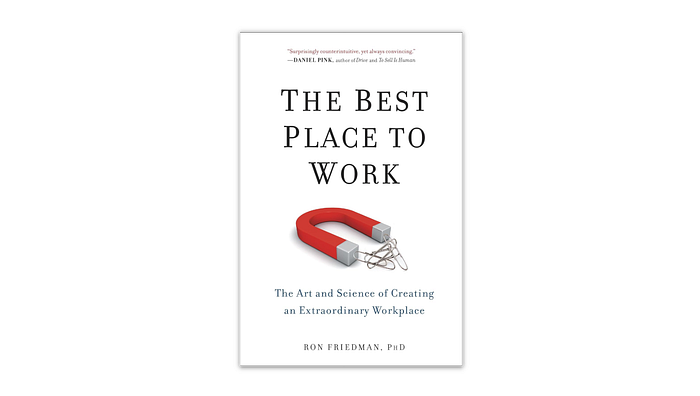
The Best Place to Work. It's a great book and something I always refer back to.
View the book on Amazon here.
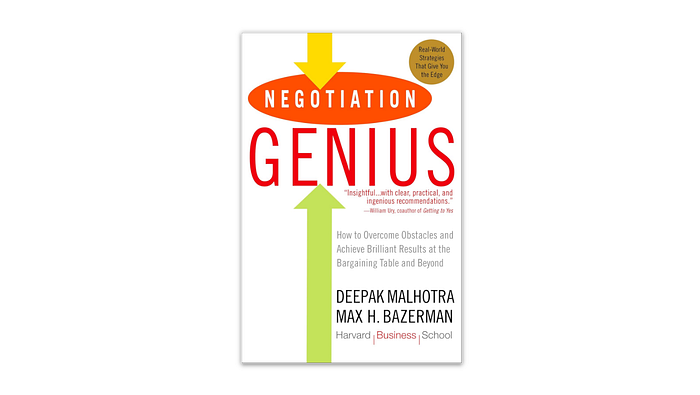
Negotiation Genius. It really helped me with practical sales advice.
View the book on Amazon here.
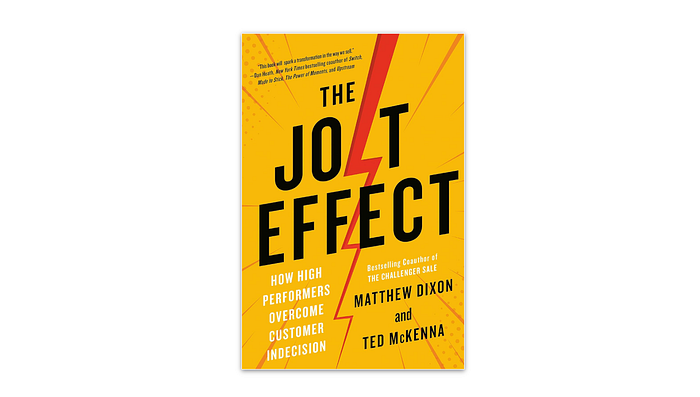
The Jolt Effect. A book I use all the time in selling. It really helped me understand what it is like to be a buyer and upped my conversion rate dramatically.
View the book on Amazon here.
Paul Graham Essays
- Do things that don't scale
- What I learned from users
- The Airbnbs
- Why it's safe for founders to be nice
- What doesn't seem like work?
What's a quote that helps motivate you?
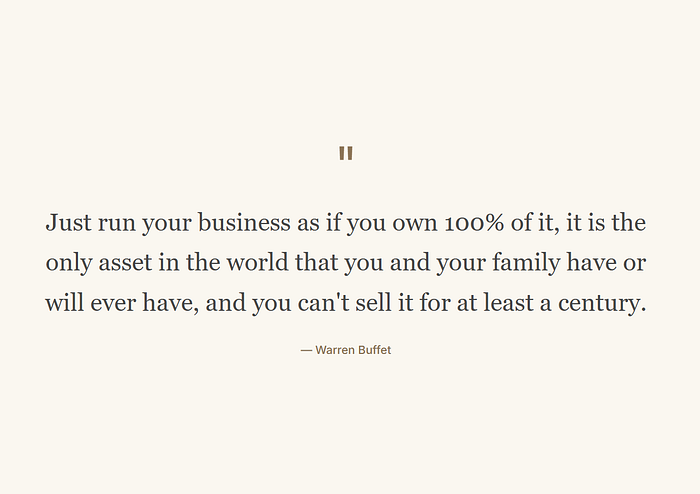
I look at this quote every morning. I think so much of modern society is in a rush. Oh look at my ARR, look at my growth, I'm the biggest, I'm the best, I'm the xyz. It's all quite short term thinking. I like this concept of thinking bigger and 100 years is a really long time.
Is this a two-year grind or a ten-year identity change?
Ten years. Don't quit if you are thinking it's only going to take two years.
If I stay employed but become the internal AI expert, is that actually the higher-EV play?
I find in a business it's really hard to have a new identity change. When I was an engineer, no one viewed me as a developer, I was viewed as an engineer who was wasting time developing.
I'm skeptical that you can rebrand so easily, especially in a larger company.
The hard thing is that companies aren't really set up for you to innovate inside them and build these wonderful products. If you happen to be lucky and that is the case and you don't want to risk the uncertainty of your income being inconsistent, then it could well be a higher EV play to stay and build things internally.
What would you do if you were me — and why?
I would write things down. Spend time writing. About your dreams, about your goals, about who you are. Then sit on that for a month. Then after that, I would go with your intuition. Then once you have made the decision, to quit or to stay, commit to that 100%.
Whatever happens next, don't regret it.
Before you go
Subscribe to my free Substack newsletter because you get the following:
- A brand-new article for executives on Sunday that's only posted on Substack.
- Links to every Medium post I've written in the past week
- Book recommendations every week for you to spend your Audible credits on
I'm an Amazon associate, I get a small commission if you make a purchase.
Feel free to ask me any additional questions in the comments!