10. Hacking Elite: The Data Thief in Your Hand
Hacking Elite isn't just a tool; it's a highly invasive portable hacking system. Designed specifically to target phones, this device can take complete control of a device.
- How it Works: Once connected (often through a fake charging cable in public places like train stations), it injects high-level malware.
- Impact: All social media accounts, banking apps, and personal data can be accessed by the hacker. Victims often only realize something is wrong after receiving strange notifications or seeing their account balance drop.
- Remedy: The virus from this tool is difficult to remove and often requires a factory reset or re-flashing of the device. Its hard drive version can even attack laptops/PCs.
- Warning: Avoid using unfamiliar public charging ports. Use your own power bank or a trusted charger.
9. USB Rubber Ducky: The Disguised Security Breacher
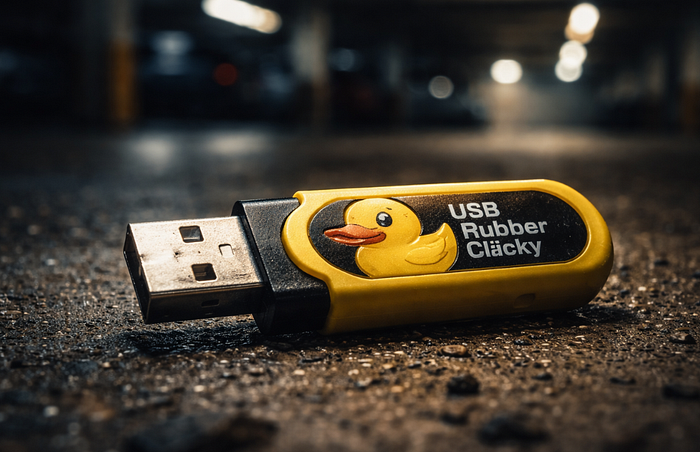
It might look like a regular flash drive, but the USB Rubber Ducky is a programmable device that mimics a keyboard. When plugged in, it executes a series of malicious commands (scripts) at incredible speed.
- How it Works: The device is recognized by the system as a HID (Human Interface Device) keyboard. It then "types" pre-programmed commands to steal data, install backdoors, or lock the system.
- Modus Operandi: Often left in public places (a "dropping" technique) to exploit human curiosity. Data can be stolen in a matter of seconds.
- Defense: Never plug in random USB drives to your device. Disable autorun on your system and use a good endpoint security solution.
8. WiFi Nugget: The Silent Wireless Network Attacker
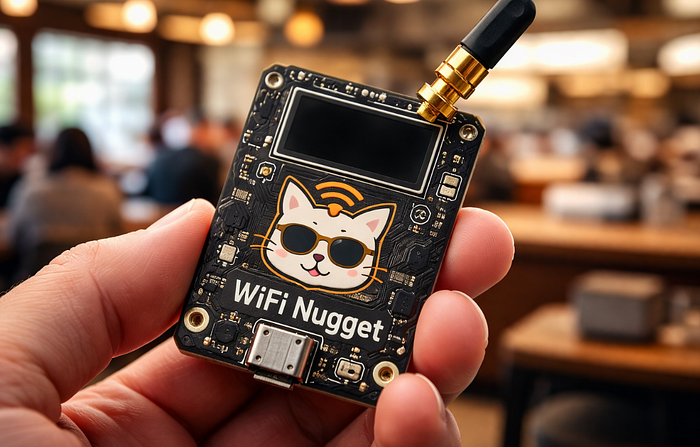
WiFi Nugget is a portable Wi-Fi attack device designed to perform various exploits, such as deauthentication attacks, packet sniffing, or creating fake access points (evil twins).
- How it Works: Small as a card, this device can be carried and activated anywhere. It can disconnect devices from legitimate networks and force them to connect to a hacker-controlled one.
- Goal: To steal login credentials, spy on browsing activity, or inject malware into the victim's device.
- Prevention: Always use a VPN on public Wi-Fi, verify the official network name, and avoid sensitive transactions on open networks.
7. Raspberry Pi 4: The Tiny Computer with Huge Destructive Potential
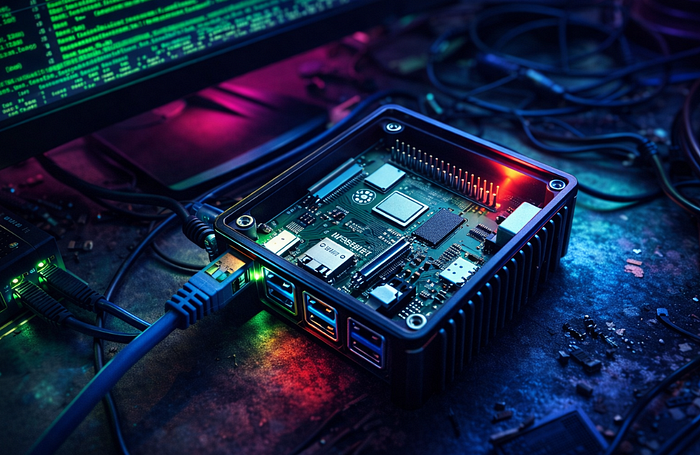
A Raspberry Pi is fundamentally a legal and educational single-board computer. However, in the wrong hands, its flexibility makes it a powerful hacking tool.
- Capabilities: At a low cost, hackers can install specialized OSes like Kali Linux, turning it into a tool for password cracking, network sniffing, or a command and control (C&C) server.
- Specifications: Up to 8GB RAM and a quad-core ARM processor allow it to run hacking tasks smoothly. Its small size makes it easy to conceal.
- Lesson: Cyber threats can come from seemingly harmless devices. Physical security (preventing unauthorized access to hardware) is also crucial.
6. Proxmark 3: The "Reader" That Became a Threat
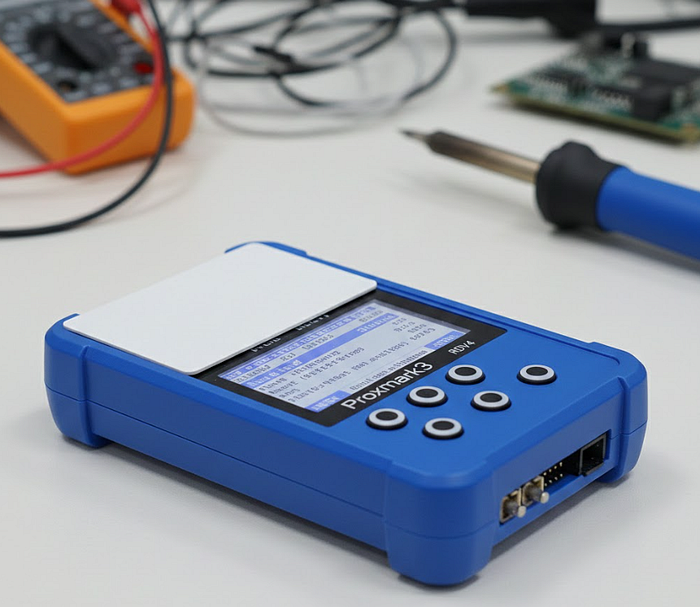
Proxmark 3 is a versatile toolkit for interacting with radio frequency-based cards and systems (RFID/NFC). It can read, emulate, and even perform cryptographic attacks on access cards, contactless credit cards, or electronic locks.
- How it Works: By bringing the device close to a target card, it can read and copy its data. The copied data can then be written to another card (cloning).
- Impact: Building doors, tap-to-pay systems, or vehicle access can be breached without a physical trace.
- Protection: Use RFID-blocking sleeves or wallets for sensitive cards. Be wary of suspicious individuals carrying small devices near your pockets or bags.
5. Hacking Keyboard: The Ergonomic Weapon for Fast Hackers
This specialized keyboard is designed to enhance efficiency and comfort during long hacking or coding sessions. While not a direct offensive tool, it enhances the technical capabilities of its user.
- Features: Split and ergonomic design, wooden wrist rest, water-resistant, and compatible with add-on modules like touchpads or macro pads.
- Context: In the world of hacking, time and precision are everything. Keyboards like this allow for faster typing of code or command execution with minimal fatigue.
- Key Point: This illustrates that modern hacking heavily relies on sophisticated hardware and software for maximum productivity.

4. Turbo Decoder: The Vehicle Security System Cracker
The Turbo Decoder represents a class of tools designed to manipulate the electronic systems of motor vehicles, especially those using transponder keys or keyless entry systems.
- Function: This tool can "learn" or duplicate the signal from a genuine car key, allowing doors to be unlocked or the car to be started without the physical key.
- Modus Operandi: Hackers often work in pairs — one intercepts the signal from the owner's key (if nearby), while the other uses the decoder to replicate it.
- Vigilance: Store car keys in a faraday pouch/bag to block signals when not in use. Park in well-lit and secure areas.

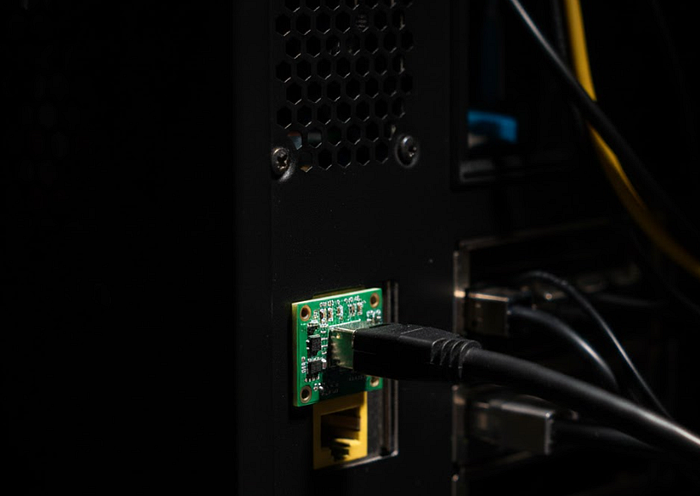
3. LAN Turtle: The Spy Hiding in Your Network
The LAN Turtle is a "man-in-the-middle" (MITM) device disguised as a regular Ethernet adapter. It is plugged in between a target computer and the network, acting as a backdoor and a spy.
- Operation: Once installed, it can intercept network traffic, perform DNS redirection (sending you to fake websites), or silently execute malicious payloads.
- Example Danger: When you search for information, it can manipulate search results or inject dangerous ads/phishing links.
- Defense: Check hardware connected to your network ports. Use encrypted networks and be alert for invalid SSL certificates in your browser.
2. Flipper Zero: The Popular Portable Hacking "Multitool"
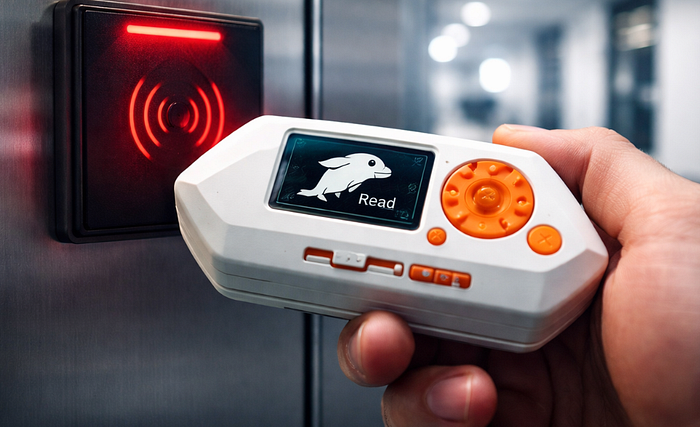
Flipper Zero is often described as a "Swiss Army Knife" for hardware security testing. It can interact with various wireless and digital protocols.
- Broad Capabilities: Can read/emulate RFID, infrared (remote controls), sub-GHz radio (parking gates, sensors), Bluetooth, and perform GPIO attacks on electronic devices.
- Potential for Misuse: While intended for education and ethical hacking, it can be used to disrupt systems like TV remotes, open gates with specific frequencies, or test IoT device vulnerabilities.
- Educational Value: The popularity of Flipper Zero highlights how many systems around us are still vulnerable to simple physical/digital attacks. It's crucial for system developers to strengthen hardware security.
1. ATM Skimmer: The Most Financially Damaging Data Thief
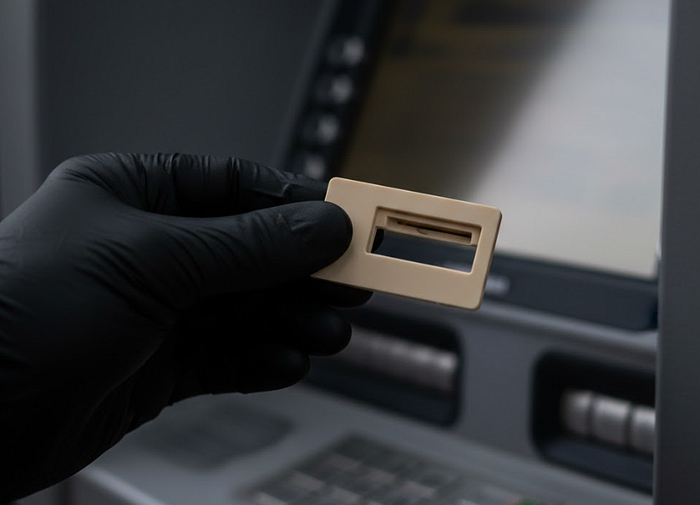
ATM Skimmers remain the most tangible and financially damaging threat. This device is physically installed on ATM or EDC machines to steal magnetic stripe data and PINs.
- Variants: Range from overlay skimmers placed on the card slot, keypad overlays to steal PINs, to hidden mini cameras. Portable versions are easily installed and removed by perpetrators.
- Theft Process: The skimmed card data is combined with the recorded PIN, then used to create cloned cards and withdraw money.
- Security Tips: Always cover your hand when entering your PIN, tug or wiggle the card slot before use (does it feel loose?), and choose ATMs in busy, well-monitored locations. Even better, use trusted tap-to-pay transactions or mobile banking.
Conclusion and Protective Measures
These ten tools show that cyber threats come in many forms: from pure digital exploits to highly physical hardware attacks. The best security principle is proactive skepticism:
- Be Wary of Unknown Physical Devices: Don't plug in random USBs, use unknown charging ports, or touch unfamiliar electronic devices.
- Protect Your Network and Data: Use a VPN on public Wi-Fi, enable two-factor authentication (2FA), and encrypt sensitive data.
- Secure Digital & Physical Assets: Use RFID blockers for cards, faraday pouches for car keys, and always check the authenticity of electronic devices you use (like ATMs or EDC machines).
- Maintain Digital Hygiene: Regularly update software, use antivirus/anti-malware, and educate yourself about the latest scam techniques.
By understanding the tools and methods used by malicious actors, we can build stronger defenses.