
I came across the Tiara Syndrome, a term coined by Deborah Kolb and Carol Frohlinger, and it got me thinking. I come from the Corporate world where being ambitious, hardworking, and competitive was the norm. People were expected to play their A game each day in Investment Banking. Everyone wanted to wear a crown every day.
Some did, whilst others aspired to the crown but never got to wear it. You knew who wore one, especially around bonus time. There was always a buzz in the lofty halls of a Tier 1 Investment Bank.
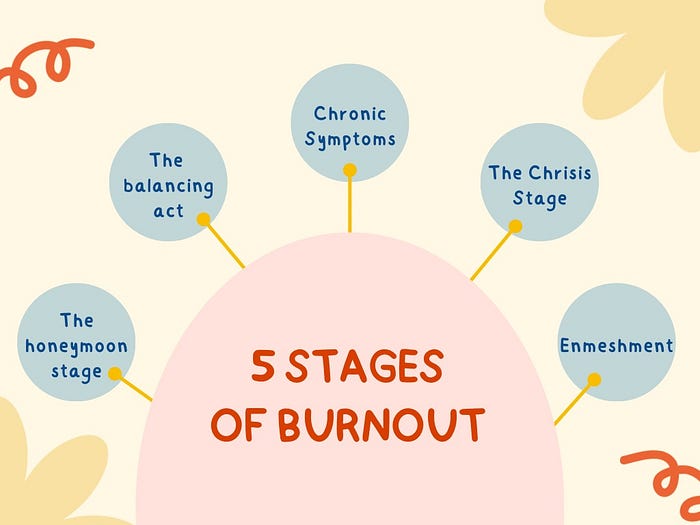
Did I aspire to wear the crown, too? Hell yes. That's what happens when you work with the elite. Their enthusiasm, drive, and work ethic rub off on everyone. It was great for a young professional, but what happens to most over time? Burnout is real, and maintaining an A+ mindset Zaps more than your energy. Your personal life suffers in unimaginable ways.
Normal Street
However, in normal streets, the crown is replaced by a Tiara, which is someone aspiring to it, but never being crowned. In Investment Banking, you either win, or you lose. There's no in-between. Plus, no one wants to be on the losing side because the inevitable will happen, which is the infamous annual cull.
In normal street, the Tiara Syndrome hits a different note. It also has a negative image in the workplace. How? If you're not wearing a Tiara, you're not good enough. You're an 'also ran', which potentially is counterproductive.
For example, if you've been working very hard and didn't get the recognition, you might choose to prove the powers above wrong and work even harder. The extra effort would come at the expense of your personal life and energy. Plus, there'd be no guarantees that you'd get to wear the Tiara in the end.
What is the Tiara Syndrome?
The Tiara Syndrome is usually associated with women, some men, and some minority people who believe that working hard is the way to climb to the top. They focus on hard work but miss working smarter, building a strong network, and learning to think strategically about their career path.
As an Executive Coach, I see people who experience the Tiara Syndrome. Many are intelligent and have an excellent career track record, yet fail to push the invisible career barriers. Sadly, in most cases, these barriers were put up by themselves. It then takes a lot of effort to start challenging outdated beliefs.
The Disappointment of Not Wearing A Tiara
These people feel that by working harder, their efforts will pay off. Sadly, head down and hard work isn't paying off the handsome rewards. Instead, they experience
❎Not getting the right recognition
❎Negatively Impacting professional self-esteem
❎Reduced Productivity
❎Loss of Motivation
❎Knee jerk emotions
❎Playing the waiting game
❎Not thinking objectively about their career
❎Feeling unheard
❎They end up playing a defence game
❎Not fulfilling their full potential
Here are some more detailed tips for dealing with the Tiara Syndrome:
- Build a diverse network. Expand your network beyond just those at your same level. Connect with people in higher positions, different departments, and outside your organisation. This can help you gain visibility and access to new opportunities.
- Shift your focus from hard work to working smart. Whilst hard work is essential, it's also critical to focus on the strategic aspects of your career development. Identify the key skills, relationships, and exposure you need to advance. Increase your visibility. Speak up in meetings, volunteer for high-profile projects, and find ways to demonstrate your capabilities beyond just your day-to-day work. This can help ensure you get the recognition you deserve.
- Continuously develop new skills. Don't rely on doing your current job well. Invest time learning new technologies, doing stretch assignments, or getting additional training. This can make you a more well-rounded and valuable employee.
- Seek feedback and mentorship. Ask your manager for regular feedback on your performance and development areas. Also, find a mentor, either within your organisation or outside of it, who can provide guidance and sponsorship.
- Reframe your mindset. Instead of seeing your lack of a "tiara" as a failure, shift your perspective. Focus on the progress you are making and the value you are adding. Celebrate small wins along the way.
- Maintain work-life balance. Avoid burnout by setting boundaries and making time for your personal life. This can help you perform better and be more strategic in your career.
- Consider working with a coach. An executive coach can help you navigate office politics, develop a clearer career vision, and learn to advocate for yourself more effectively.
- Conduct a regular skills audit. Regularly review your current skills, knowledge, and capabilities regularly (e.g. annually or bi-annually).
- Inject fun into your work. Look for creative ways to make your day-to-day tasks more enjoyable and engaging. Infuse your personality, interests, and hobbies into your work where appropriate.
Imagine The Following
Emma Chen always dreamed of a career that would take her worldwide. As a bright-eyed London School of Economics graduate, she landed a position at a global investment firm. Her journey began in London's Canary Wharf, where she threw herself into her work with full dedication. She believed that sheer hard work would eventually lead to recognition and advancement.
For three years, Emma worked very hard. She was often the first to arrive and last to leave. She took on extra projects, worked weekends, and rarely took time off. Despite her efforts, she found herself passed over for promotions, watching as her peers, who seemed to work less hard, moved up the ladder. Emma began to feel the weight of the Tiara Syndrome, waiting for someone to notice her efforts and "crown" her with success.
A wake-up call came when her manager, noticing her frustration, advised her to focus on working smarter, not just harder. Emma realised she needed to change her approach. She began networking more actively and showcasing her achievements. This shift in strategy caught the eye of senior management, who offered her a chance to join the firm's New York office.
Emma was determined not to fall back into old habits in New York. She balanced her strong work ethic with strategic relationship-building and self-advocacy. She spoke up in meetings, volunteered for high-visibility projects, and made sure her contributions were noticed. This approach paid off, and within two years, she was offered a significant role in the firm's expanding Singapore office.
In Singapore, Emma fully embraced a balanced approach to her career. She excelled in her work but prioritised building a diverse network, mentoring junior colleagues, and continuously updating her skills. She learned to inject fun into her work, organising team-building events and finding joy in her day-to-day tasks.
As she stood on the observation deck of Marina Bay Sands, Emma reflected on her journey. From the fog-shrouded streets of London, where she had nearly burnt out waiting for a tiara, to the concrete canyons of New York, where she learned to advocate for herself, and now the tropical skyline of Singapore, where she had found proper balance, she had not only become a global citizen but had also overcome the Tiara Syndrome.
With a confident smile, Emma headed back to her office. She had an hour-long conference call with London and New York, and work was to be done. But now, she knew that success wasn't just about working hard — it was about working smart, building relationships, and taking charge of her career path. The world was her office, and she had learned to navigate it on her terms.
Thank you for your attention.
Follow me for more valuable tips.
Pervin
linktr.ee/AimHighLtd